Private rooms are an important part of how Mountbatten House is publicly described. A private room can give a resident a personal place to sleep, rest, read, keep photographs, and receive a visitor.
This page does not invent room measurements, private bathrooms, furnishings, accessibility equipment, windows, views, or floor plans. Those details should be confirmed with the operator and shown only when current images or specifications are available.
A gallery photograph should not be treated as a promise that every room looks the same—or that a particular room is currently available.
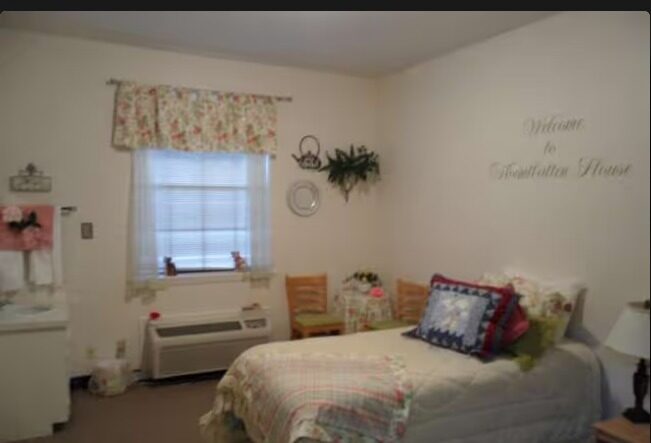
Bringing personal belongings
Familiar objects can ease a transition. Families may wish to bring photographs, a favorite chair, bedding, artwork, or other items that make a room recognizable.
Ask about dimensions, electrical equipment, wall mounting, fire safety, labeling, storage, and insurance before moving belongings.
A room should remain safe and navigable. Too much furniture can make transfers difficult or obstruct walkways. The resident’s mobility, equipment, and care plan should guide what comes into the space.
Ask whether the home provides a move-in checklist.
Privacy and connection
A private room can support privacy, but it does not need to create isolation. A resident may join meals, spend time in common areas, visit with family, or choose a quiet afternoon behind a closed door.
- How do residents request help from their rooms?
- How are visitors welcomed?
- How are personal routines respected within household expectations?
Schedule a visit in advance and confirm that the home is currently operating and able to receive visitors. Do not rely on an unconfirmed web listing for a same-day arrival.